If you’ve ever found yourself standing in the camping aisle at Walmart,staring at tents and thinking,“I love camping,but my back doesn’t love the ground anymore,”you might have wondered about pop up campers.These compact,foldable trailers occupy a sweet spot between tent camping and full-size RVs—but they also come with their own set of questions.
Maybe you’re wondering:Can my SUV actually tow one?Will we freeze at night?Is setup as complicated as it looks?You’re not alone.Thousands of families ask these same questions every year.
This guide answers them—honestly,clearly,and from the perspective of someone who wants real help,not sales pitch.
What Exactly Is a Pop Up Camper?
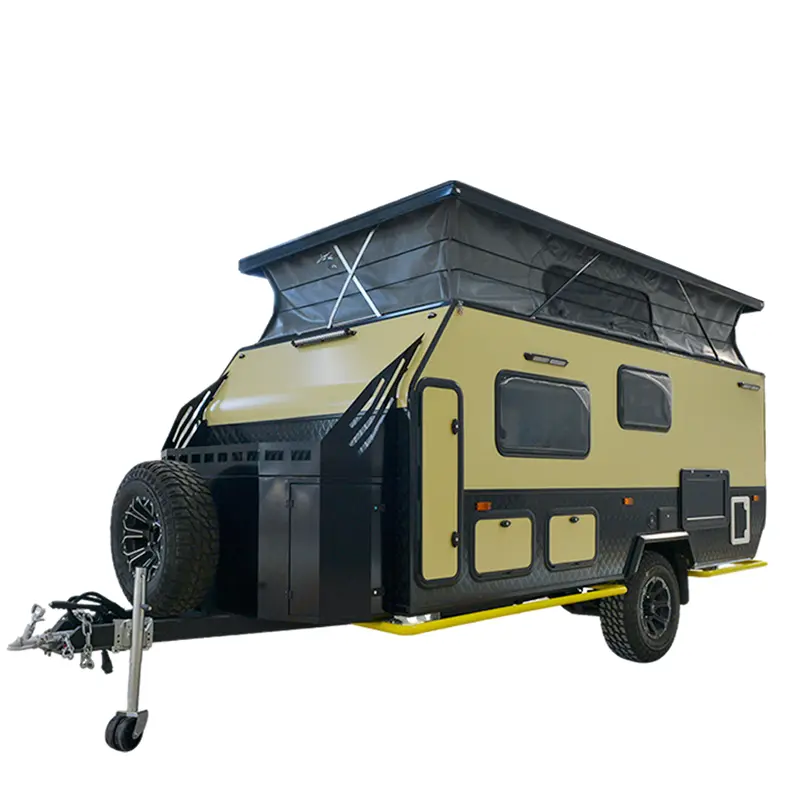
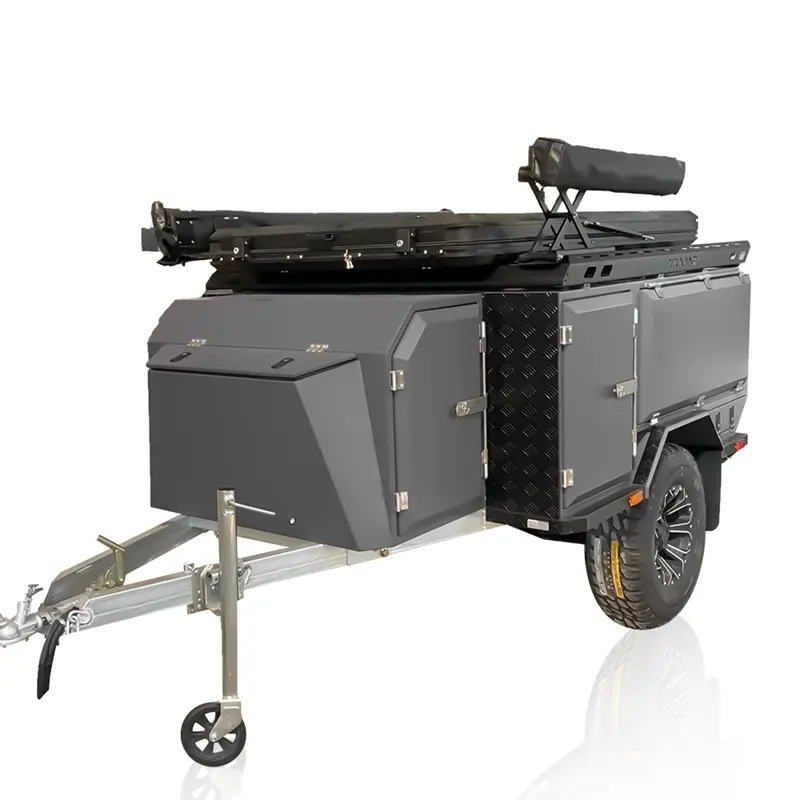
A pop up camper(also called a folding camping trailer or tent trailer)is a towable RV that collapses down for travel and storage,then expands—or“pops up”—at your campsite to create a living space.
Think of it as a hybrid:it tows like a small utility trailer,stores in your garage,but unpacks into a comfortable camper with beds,a dinette,and often a small kitchen.
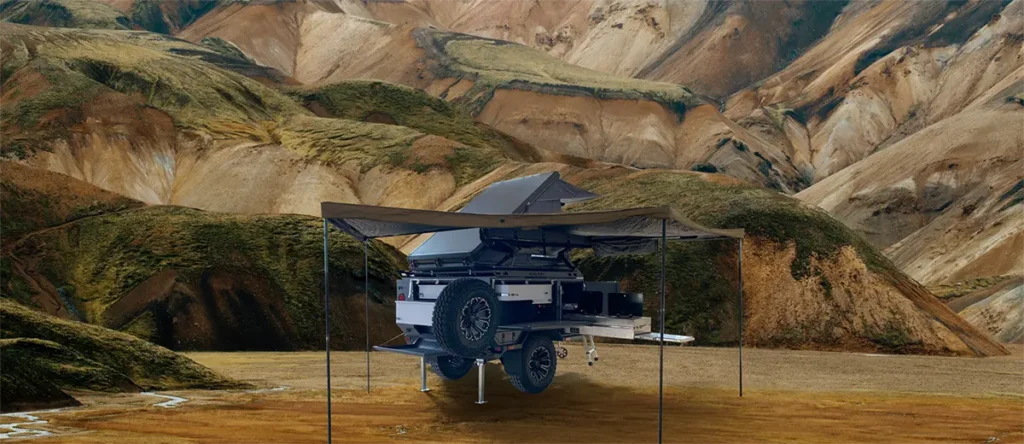
How It Works
When collapsed,a pop up camper is low and compact—typically around 4-5 feet tall.You tow it like any other trailer.When you reach your campsite:
- You crank or lift the roof(many now have electric lifts)
- The ends slide out to create sleeping areas
- Canvas or fabric walls expand to enclose the space
- You secure the support poles and stabilize the unit
The whole process takes 10-20 minutes for most people—faster with practice.
Key Parts of a Pop Up Camper
- Solid base platform containing the kitchen,storage,and dinette
- Pop-up roof that lifts to create headroom
- Canvas or vinyl tent ends that form the walls
- Fold-out bed platforms on one or both ends
- Lifting mechanism(manual crank or electric motor)
Types of Pop Up Campers:Which One Are You Looking At?
Not all pop up campers are the same.If you’ve started shopping,you’ve probably noticed two distinct styles.Here’s what you need to know:
Soft-Sided Pop Up Campers(Traditional Tent Trailers)
These are what most people picture when they hear”pop up camper.”They feature canvas or vinyl fabric walls that fold out from a hard central unit.
Best for:Families,budget buyers,summer-only campers,anyone who wants maximum sleeping capacity
Typical weight:1,000-2,500 pounds
Setup time:15-30 minutes
Hard-Sided Pop Up Campers(A-Frame or Folding Trailers)
These use rigid panels that fold down flat and then lift into place—like an A-frame cabin on wheels.Brands like Aliner and TrailManor specialize in this style.
Best for:Cold-weather campers,people who want faster setup,those concerned about security
Typical weight:1,500-3,000 pounds
Setup time:1-5 minutes(some models set up in under 60 seconds)
High-Wall Pop Up Campers
A variation of soft-sided models with taller sidewalls when deployed.These offer more interior headroom and often include small bathrooms.
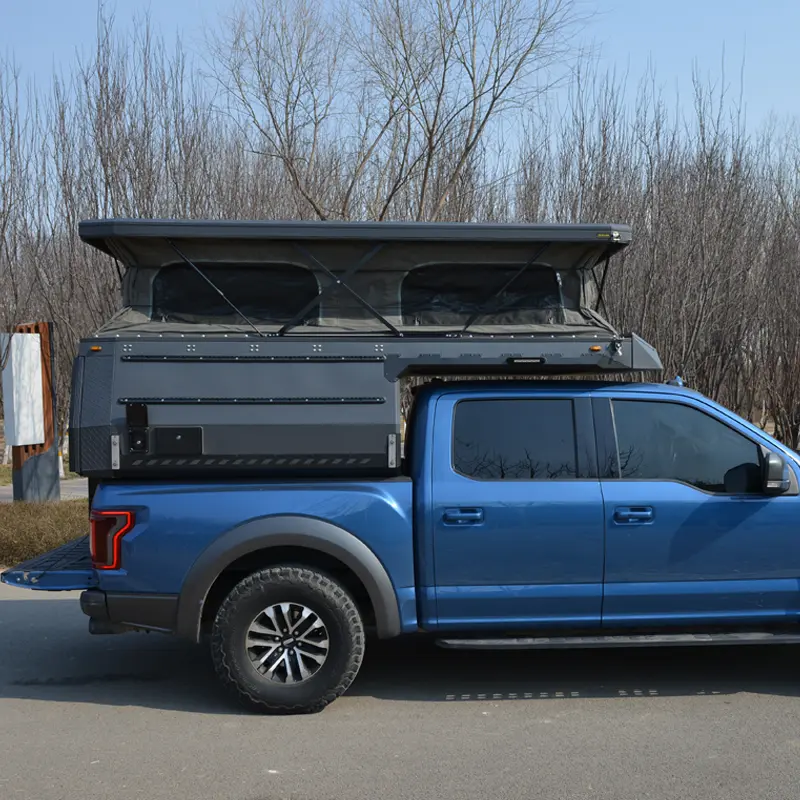
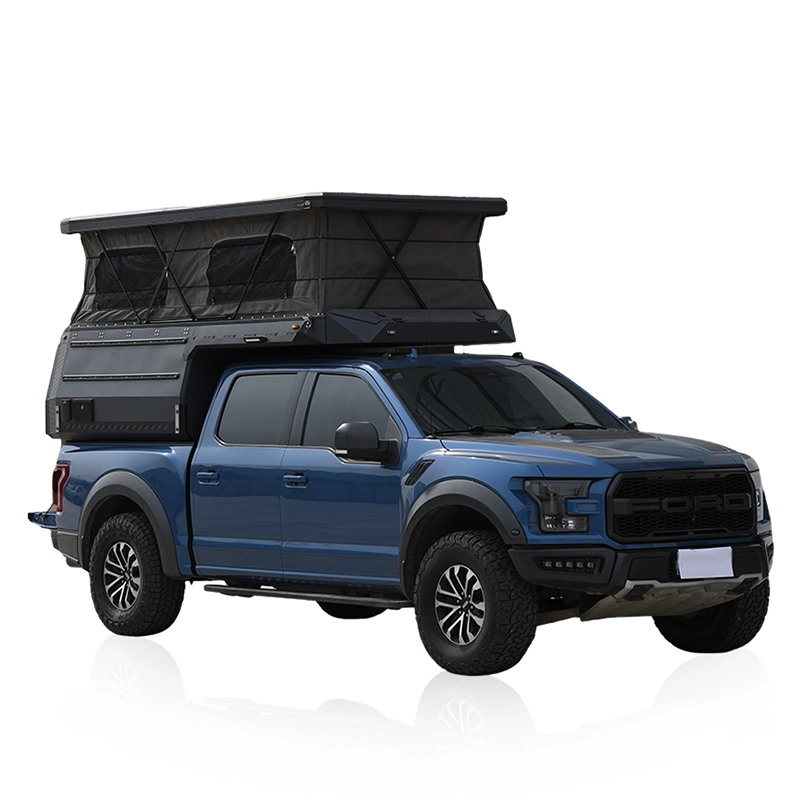
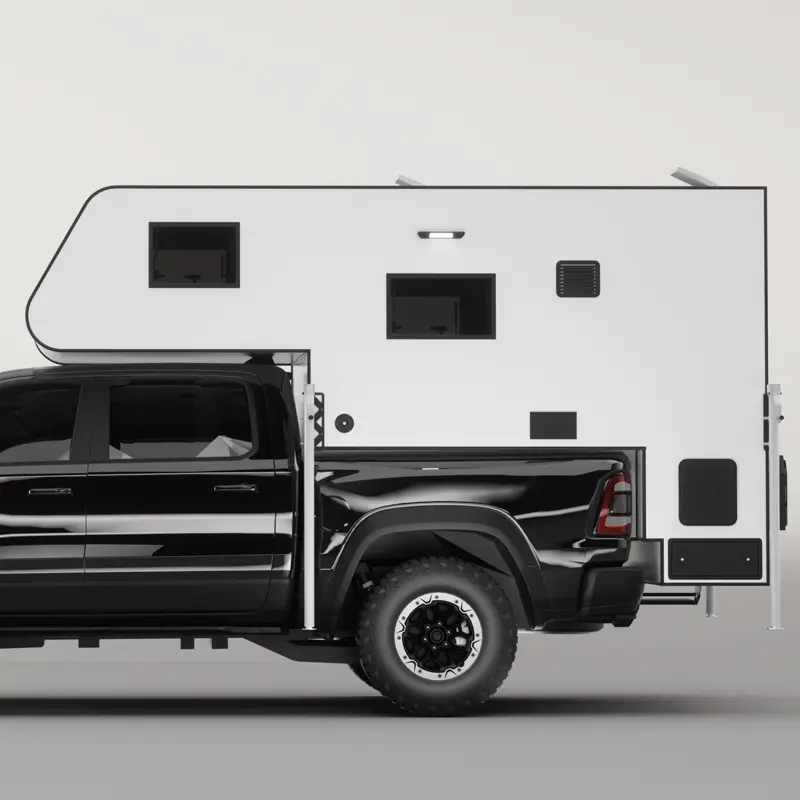
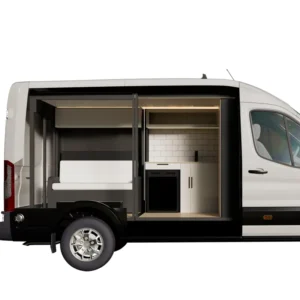
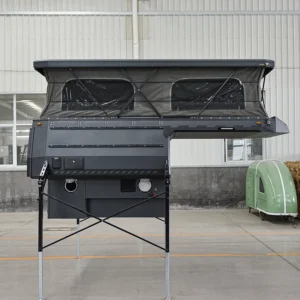
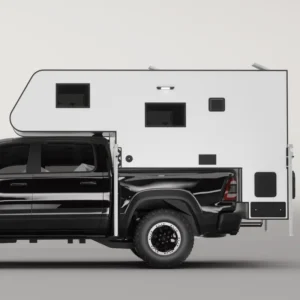
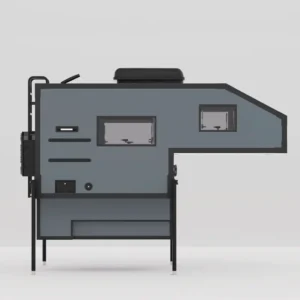
Truck Bed Pop Up Campers
These mount directly in a pickup truck bed rather than towing behind.Popular with off-road enthusiasts who need serious capability.The Topo Topper,for example,weighs around 300 pounds and sets up in about 60 seconds.
Why Do People Love(or Hesitate to Buy)Pop Up Campers?
Let’s be honest:pop up campers aren’t for everyone.But for the right person,they’re absolutely perfect.Here’s the real talk on what you’re getting into.
What Owners Love
You can actually tow one.Most pop up campers weigh under 2,000 pounds.That means your Honda Pilot,Toyota Highlander,or even some minivans can handle it.One camper recalled growing up towing a pop-up with the family minivan.
Your garage will thank you.When collapsed,most pop ups are under 8 feet tall—they fit in standard residential garages.No storage fees,no driving to a lot,no paying to keep your camper somewhere else.
The price won’t scare you.New pop up campers start around$6,000-$10,000.Used ones can be found for$2,000-$8,000 depending on age and condition.Compare that to$30,000+for a travel trailer.
You still feel like you’re camping.The canvas walls let you hear the breeze,the birds,the rain.You’re not sealed off from nature.
There’s a whole community waiting.Pop-up owners are famously helpful.Forums like PopUpPortal are filled with people sharing tips,modifications,and hard-won advice.
What Gives People Pause
Weather can be a challenge.Canvas isn’t a solid wall.In cold weather,heat escapes.In wind,you’ll hear it.In rain,you might worry about leaks(more on that in a minute).
Setup takes work.It’s not as simple as parking a travel trailer.You have to crank up the roof,pull out the beds,secure the canvas.In pouring rain,that’s less fun.
Privacy is limited.Canvas walls don’t block sound,and they definitely don’t block sight.You’ll hear your neighbor’s snoring;they’ll hear your early morning coffee routine.
Security concerns are real.A determined person could unzip their way into a soft-sided camper.It’s rare,but it’s worth knowing.
The Questions Every First-Time Buyer Asks
”Can my vehicle really tow this?”
This is the#1 question,and the answer matters.Here’s how to figure it out:
Step 1:Find your vehicle’s towing capacity.Check the owner’s manual or the driver’s side door jamb.This number is the absolute maximum your vehicle can pull.
Step 2:Understand the real weight.A camper’s”dry weight”doesn’t include batteries,propane,gear,water,or food.Add 500-1,000 pounds to the dry weight for a realistic total.
Step 3:Check tongue weight.The downward force on your hitch should be 10-15%of the loaded trailer weight.Make sure your hitch is rated for it.
The good news:Most smaller pop ups(1,000-1,500 pounds dry)can be towed by mid-size SUVs,crossovers,and even some cars.
”Will we be cold at night?”
Pop up campers aren’t known for insulation,but you have options:
- Reflective radiant barriers(very lightweight,easy to install)
- Insulated curtains or thermal blinds
- Closed-cell foam panels cut to fit window areas
- Small catalytic heaters(used safely,per manufacturer instructions)
One experienced camper noted that lightweight padding and draft control make a huge difference in cold-weather comfort.
”Do they leak when it rains?”
They can—but they don’t have to.Leaks almost always happen at predictable spots:seams,zippers,and worn gaskets.
Prevention is simple:
- Inspect seals and zippers before each season
- Re-seal seams with flexible,UV-stable sealant as needed
- Replace worn gaskets(they’re inexpensive)
- Run a water hose test before your first trip
”Is setup really that hard?”
The first time?Yes,it might feel awkward.By your third trip?You’ll be efficient.
One new owner of a Topo Topper truck camper reported:”The camper sets up very fast,and I imagine I’ll get the point where I can do it in 60 seconds.”
For traditional soft-sided pop ups,experienced owners typically complete setup in 10-20 minutes.
”How much should I spend?”
New pop up campers:$6,000 for basic models up to$35,000 for premium units.Most mainstream models fall in the$10,000-$25,000 range.
Used pop up campers:
5-10 years old:$8,000-$18,000
10-15 years old:$4,000-$12,000
Older but well-maintained:$2,000-$8,000
”What about maintenance?”
Pop ups require regular care,but nothing crazy:
- Canvas care:Clean and waterproof annually($50-100)
- Tires:Replace every 5-7 years($300-600)
- Wheel bearings:Repack every 2-3 years($150-300)
- General upkeep:Budget$200-500 yearly for repairs and parts
Soft-Sided vs.Hard-Sided:Which One Fits Your Life?
This is the biggest decision you’ll make.Here’s how to choose:
Choose a Soft-Sided Pop Up Camper If:
- You need to sleep 4-8 people(they expand outward for more space)
- You’re budget-conscious(they cost less upfront)
- You want the traditional”camping feel”with canvas walls
- Your tow vehicle is smaller or lighter-duty
- You mostly camp in fair weather
Choose a Hard-Sided Pop Up Camper If:
- You camp in cold weather or shoulder seasons
- You want the fastest possible setup(under 5 minutes)
- Privacy and security matter more to you
- You’re willing to pay more for better insulation
- You don’t need maximum interior space
Real-World Setup:What Actually Happens at the Campsite
Let’s walk through a typical arrival so you know what to expect:
Arrive,level,and stabilize.You park,check that the site is reasonably level,and place wheel chocks.Stabilizer jacks go down to reduce rocking.
Raise the roof.Using a manual crank or electric motor,you lift the roof into position.This creates headroom inside.
Pull out the beds.The end platforms slide out,supported by poles or folding mechanisms.
Secure the canvas.You attach the fabric to the bed ends,close any zippers or snaps,and make sure everything is taut.
Connect utilities.Hook up electricity if available,connect propane,and level the interior if needed.
Set up camp.Unpack chairs,lay out sleeping bags,and start enjoying yourself.
What About Wind?(A Common Fear)
Here’s the honest truth:pop up campers can handle wind,but you need to be smart about it.
Safe limits:Consider lowering the top if sustained winds exceed 25 mph or gusts hit 35-40 mph.
Smart practices:
- Use all your tie-downs and anchors
- Deploy wheel chocks on both sides
- Orient the narrow end into prevailing winds
- Check that your lift mechanism is in good condition
One owner drove through 45 mph cross winds in the Mojave Desert and reported:”I think my truck handles the wind better now than it did without the camper.”The extra weight and improved aerodynamics actually helped stability.
The Bottom Line:Is a Pop Up Camper Right for You?
Pop up campers have developed what one industry publication called a”modern cult following“.There’s a reason for that.They offer:
- Freedom to camp without a massive investment
- Flexibility to store at home and tow with your everyday vehicle
- Connection to the outdoors that hard-sided RVs can’t match
- Community of helpful owners who share tips and tricks
They’re not perfect.You’ll deal with canvas maintenance,longer setup times,and less weather protection than a solid trailer.But for thousands of families,the trade-off is absolutely worth it.
If you want more comfort than a tent but aren’t ready for a full-size RV—and you don’t want to spend your life savings or buy a heavy-duty truck to make it happen—a pop up camper might be exactly what you’ve been looking for.
Quick Reference:Pop Up Camper Checklist
Before You Buy:
- Check your vehicle’s towing capacity(owner’s manual)
- Measure your garage door height
- Inspect any used camper’s canvas for tears or mildew
- Test all zippers and lift mechanisms
- Verify tire condition and age
Before Each Trip:
- Check tire pressure
- Test lights and brakes
- Inspect hitch and safety chains
- Pack heavy items low,near the axle
- Check weather forecast for wind
At the Campsite:
- Level side-to-side before unhitching
- Deploy stabilizer jacks
- Orient narrow end into wind when possible
- Use all available tie-downs in windy conditions
Still have questions?That’s perfectly normal.Please speak to Aiymen about pop-up campers.Aiymen will recommend suitable,durable,high-quality and affordable pop-up campers,and help resolve any other queries you may have.